Nov 8, 2018: WILDFIRE PREVENTION NEEDS ATTENTION
As appeared in The Pique, Letters to the Editor, Nov 8, 2018.
https://www.piquenewsmagazine.com/whistler/letters-to-the-editor-for-the-week-of-november-8/Content?oid=11841076
WILDFIRE PREVENTION NEEDS ATTENTION
We have been hearing about all the good things the Resort Municipality of Whistler (RMOW) has done, but would it surprise you to know that our fire response and prevention budget is considerably less than what other communities nearby spend? West Vancouver and both the City and District of North Vancouver spend 20 percent of their budget, while in Whistler, a little over five per cent is dedicated.
The RMOW has spent an additional $1 million on clearing and thinning, plus some grants, a Fire Smart program, and some cameras, but if you add all this up, we still don't reach seven per cent of our budget.
While the North Shore cities are like us with a large green belt, much of the land borders the ocean, while we are embedded in a high-risk forest. If a major fire breaks out on the North Shore, they can draw on each other for reinforcements, just minutes away. Whistler's mutual aid centres are much smaller, less capable units, and are 45 minutes away at best.
Whistler is surrounded by high-risk C2 and C3 forests, a very serious fire threat as identified by the Blackwell Report commissioned by the RMOW. Our situation is much more precarious, yet these North Shore cities have budgeted 20 per cent, compared with our seven per cent.
I don't know about you, but I do not want to turn on the television one night to an episode of 60 Minutes—What happened in Whistler?" and hear Anderson Cooper state something along the lines of, "In the post-fire investigation, it should be noted that the RMOW placed a significantly lower than usual amount of money toward fire response and prevention compared to similar cities in the region, this despite being given a clear indication by a respected consultant it commissioned of the dangers that lay before it. Whistler's attitude to safety measures mirrors that of the Titanic's."
Is that all this valley is worth? A budget of five per cent or seven per cent, or even 10 per cent, when districts around us are doing so much more? And again, I will say it: one area we can do something about is changing our minds about the Blackwell Report's recommendations and spending that extra $1 million a year on Option 2, the option that brings us to safety in 20 years rather than the 40-year schedule now being followed.
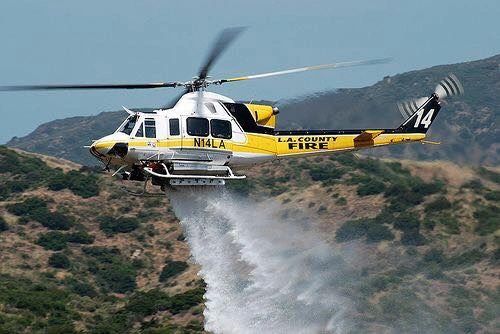
Stu Wild's proposed "Whistler First" fire attack and rescue helicopter had a budget of $1 million a year; if we tossed that in, we would still be under 10 per cent—and we'd have one fantastic first-strike option, a helicopter, that could fly right over your house (legally) and drop water on it.
Most fire departments in California have these types of helicopters for this very reason. If we added this in, we would still be well below West Vancouver's budget. Bed unit to bed unit, we are almost the same size as West Vancouver, 36,000 to 42,000.
So in the meantime, as we do some much needed fire mitigation and thinning over the next 40 years, let's pray that no stray lightning spark or carelessly tossed cigarette signals a devastating wildfire that gives the news teams so much to talk about.
Lance Bright
Whistler
Candidate profile: Lance Bright
https://www.piquenewsmagazine.com/whistler/candidate-profile-lance-bright/Content?oid=10972393
Check the above link for an article by Braden Dupuis on me when I ran for council in October 2018.
The following is the text of that article.
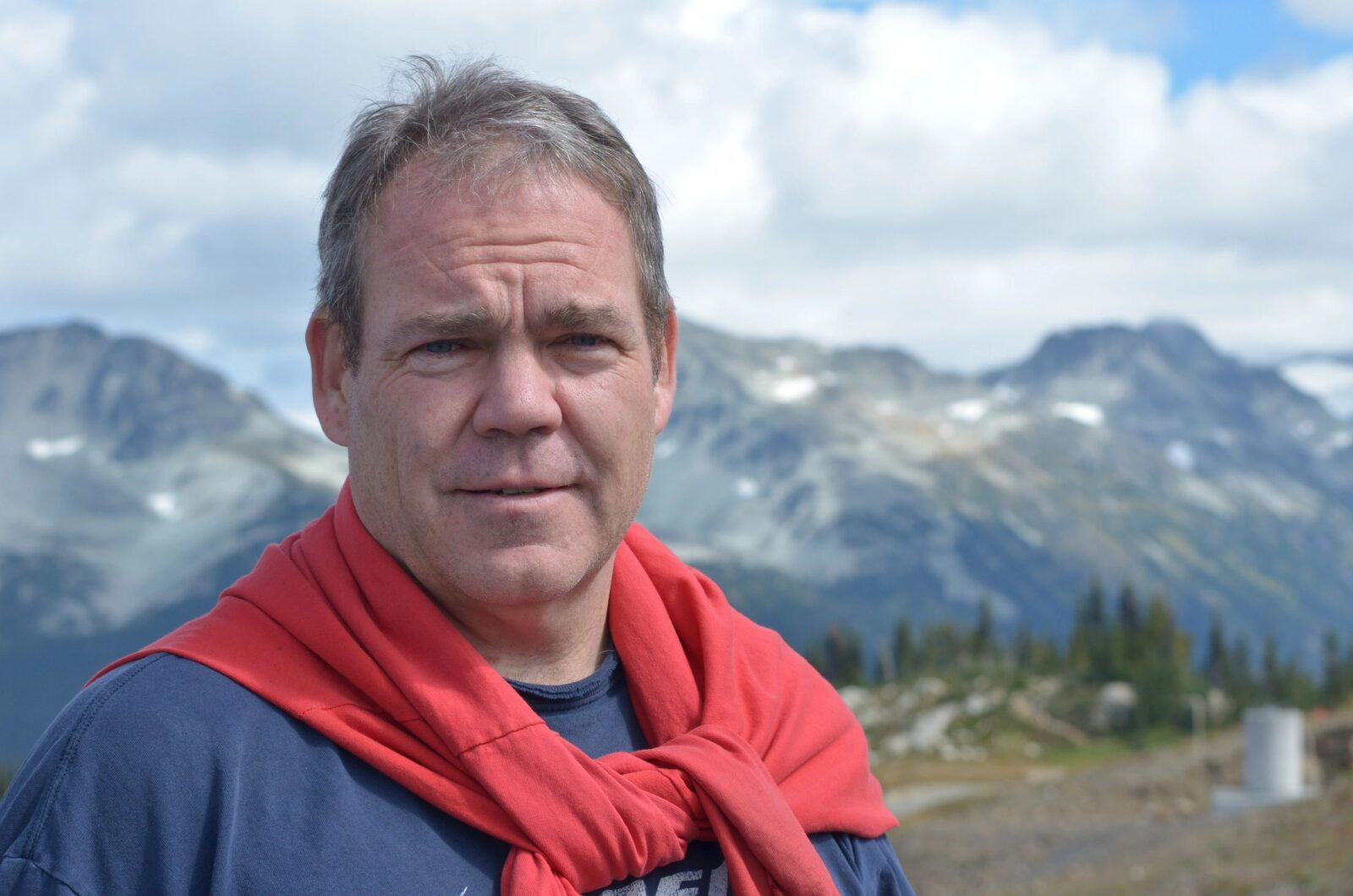
From the Pique, October 4, 2018
by Braden Dupuis
The son of Jack Bright, Whistler Mountain's first general manager, Lance Bright first arrived in Whistler in 1967—when he was two weeks old.
"I love to say this: When I got here, it was so small we didn't even have a town drunk. So everybody got together and took turns," Bright jokes.
"This town is my blood."
Joking aside, Bright's reasons for seeking a council seat on Oct. 20 are no laughing matter.
"Crisis by definition requires immediate rectification in order to avoid highly undesirable consequences … we are seeing businesses close down (due to a lack of staff), and how can most candidates not even talk about fire?" Bright said, pointing to a house fire in Brio in February that displaced more than a dozen.
"If it happened in August and not February? Everything at these candidates meetings, every conversation would be different, so how can you not say it is a huge issue?" he said.
"I guess I'd say that I would go to the grave very unhappy if the concerns that are true to my heart were not addressed in this election."
In addressing wildfire, Bright said he would like the municipality to pay the extra $1.4 million for a 20-year protection plan, and support the Whistler FIRST concept—a not-for-profit, first-response firefighting trust proposed by local pilot Stu Wild.
"It would be really tempting in February, when it's cold, to kind of push this aside, and this is where you need people that have the passion to carry forward," he said.
A retired pilot with 7,000 hours under his belt, Bright, 51, took over the family business, Snowsun Ventures Ltd., when his father passed away five years ago.
"Wildfire (is a big issue)—it's hard to talk about community when you're actually not safe," he said. "The other thing is we need to make some critical moves to relieve the housing crunch."
On the housing file, Bright said he supports the Whistler Housing Authority (WHA) model.
"As a resort municipality, we have to recognize we're always going to have this issue, because people are going to come and go," he said.
"Ownership may be impossible, but people will, if they can't achieve happiness through ownership, they can achieve happiness through stable, long-term, consistent, supportive rental housing, and that becomes a vehicle for the resort's success.
"The WHA model is one that's accessible by all, and ultimately gives the security."
Other planks in his platform include improving transit efficiency and the Valley Trail, protecting the environment and working towards reconciliation with local First Nations.
"I feel bad that unemployment is an issue for our stakeholders," he said.
"What a sad state of affairs that we have not enough workers here and we have unemployment 45 minutes away."
Find more at www.lancebright.com.
Editor's Note: In an earlier version of this story Pique reported that Bright's family business was Roland's Creekside Pub. Bright's business is Snowsun Ventures Ltd, which owns the building that Roland's is located in. Pique regrets the error.
Possible Conflict of Interest with Multiple Vail City Councillors
Every voter in Whistler needs to contemplate just how vulnerable the RMOW would become having multiple Vail employees elected to city council.
Whenever any councillors are removed due to conflict of interest, it means the voting power falls to fewer people. Recently, Jack Crompton had to recuse himself when the issue before council dealt with Nester's Crossing, as he rented space in one of the applicant’s buildings. Not only was he not allowed to vote, but he also had to leave the chambers during all proceedings, leaving the council without his keen insight on the subject. That vote was a contentious 3-3 tie, the Mayor ending it by using her veto power to kill it. That was with just one councillor recusing himself.
To be clear, I’m not speaking against Vail candidates, but my concerns are that having too many of them on city council is not good governance. With only six RMOW city councillors positions, we are at severe disadvantage if there are multiple councillors elected who are connected with one organization.
On page 4.7 of the “RMOW Governance Manual” it speaks about a councillor not being in a position of conflict, real or apparent, between their own private interests and the best interests of the Corporation. “Private Interests” included any real or tangible interest that personally benefits the councillor, a member of their household, or an organization with which the councillor is affiliated.
Courts will readily overturn any decision of council when law or matters of ethics are pulled into question. Recently, I had an issue with the RMOW, and I greatly appreciated that Jack and the Council were able to help me. My lawyer had told me ahead of time not to worry because, if the decision I was fighting had been passed, “we will be before a judge in a matter of days and their decision will be overturned." Any court can easily rescind a council vote with any reasonable complaint. He explained that the matter would then be returned to council, usually with a clear directive from the court regarding conflict and influence.
There are some serious issues ahead that I believe any councillors who are Vail employees must step away from. If any Vail-related issue is presented, they must recuse themselves–and the web of Vail has strands in almost every part of our resort. It has a host of agreements in place with all parties of significance, ongoing negotiations and complex agreements with the BC government through the CRA , MDA and royalty payments, the First Nations and with the RMOW as a developer, the largest operating business, and perhaps the largest single residential renter in the valley.
If a conflict of interest is not disclosed and is discovered at a later time, any council decisions could effectively be reversed, perhaps even months or years later. Anyone—any entity, person, First Nation developer, or group that may not have Whistler’s best interest in mind may successfully overturn a council decision if they could prove conflict of interest.
For the RMOW, each and every voter needs to consider how important it is not to put ourselves in a position where there is the potential for multiple councillors having to recuse themselves, leaving only two or three councillors to decide issues of vital importance to Whistler. Or where one day down the road, council decisions are overturned due to a revealed conflict of interest.
We as voters can accomplish this by electing a balanced, carefully chosen, and diverse city council.
Lance Bright
Lance@LanceBright.com
604-388-4545
Why does Whistler spend so little on Fire Response & Prevention?
We have been hearing about all the good things the RMOW has done, but would it surprise you to know that our Fire Response and Prevention budget is considerably less than what other communities nearby spend? West Vancouver and both the City and District of North Vancouver spend 18-20% of their budget, while in Whistler is a little over 5% is dedicated.
The RMOW has spent an additional $1 million on the clearing and thinning (choosing the lesser option of the Blackwell Report), plus some grants, a Fire Smart program, and some cameras, but if you add all this up, we still don’t reach 7% of our budget.
While the North Shore cities are like us with lots of green belt, much of their land borders the ocean, while we are embedded in a high risk forest. If a major fire breaks out on the North Shore, they can draw on each other for reinforcements, just minutes away. Whistler’s mutual aid centres are much smaller, less capable units, and are 45 minutes away at best. Whistler is surrounded by high risk C2 and C4 forests, a very serious fire threat as identified by the Blackwell Report commissioned by the RMOW. Our situation is much more precarious, yet these North Shore cities have budgeted 18-20%, compared with our 7%.
I don't know about you, but I do not want to turn on the television one night to an episode of "60 Minutes–What happened in Whistler?" and hear Anderson Cooper state something along the lines of, "In the post fire investigation, it should be noted that the RMOW placed a significantly lower than usual amount of money toward fire response and prevention than similar cities in the region, this despite being given a clear indication by the respected consultant they commissioned of the dangers that lay before them. Whistler’s attitude to safety measures mirrors that of the Titanic’s."
Is that all this valley is worth? A budget of 5% or 7%, or even 10%, when districts around us are doing so much more? And again I will say it: one area we can do something about is changing our minds about the Blackwell Report’s recommendations and spending that extra $1 million a year on Option 2, the option that brings us to safety in 20 years rather than the 40-year schedule now being followed.
Stu Wild’s proposed "Whistler First" fire attack and rescue helicopter had a budget of $1 million a year; if we tossed that in, we would still be under 10% and we’d have one fantastic first-strike option, a helicopter, that could fly right over your house (legally) and drop water on it. Most fire departments in California have these types of helicopters for this very reason. If we added this in, we would still be well below West Vancouver's budget.
So in the meantime, as we do some much needed fire mitigation and thinning over the next forty years, let’s pray that no stray lightning spark or carelessly tossed cigarette signals a devastating wildfire that gives the news teams so much to talk about.
Wildfire Mitigation Recommendations – The Blackwell Report
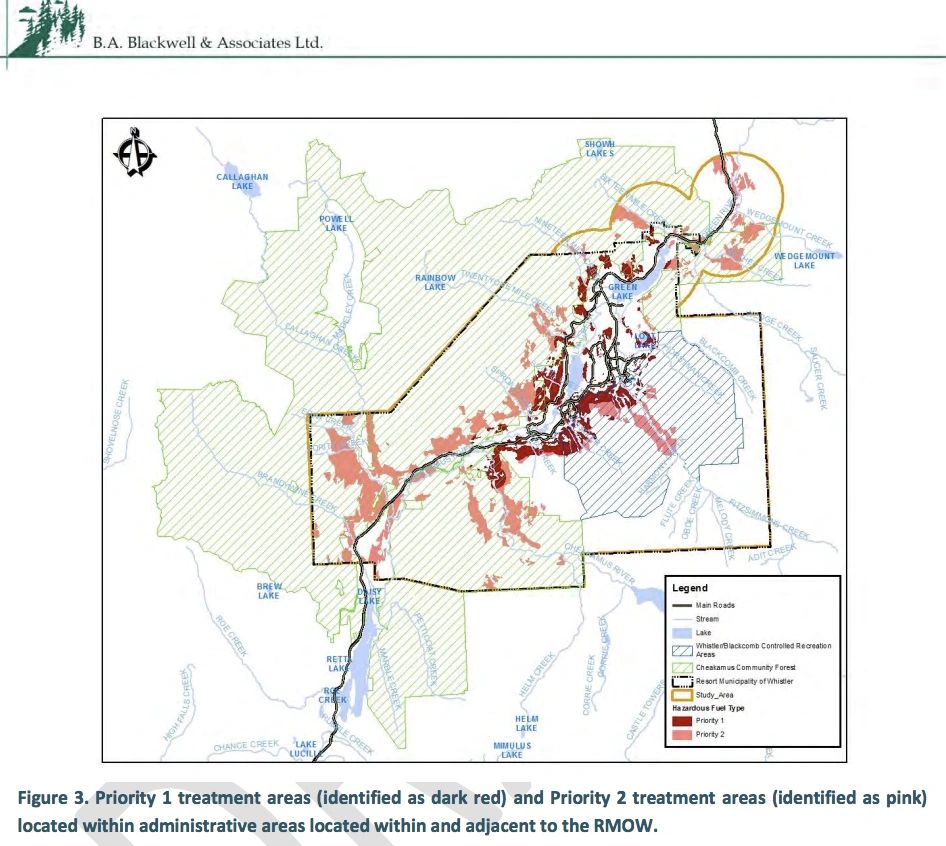
This is the Blackwell Report, which was commissioned by the RMOW. It outlined the fire hazard dangers within Whistler and the surrounding areas, due to what is clearly mismanaged logging and tree planting.
It is frightening!!!
It made many recommendations, but provided several achievable targets to effectively mitigate the problem. There were two ten-year options.
Option 1 dealt with only 25% of the problem over ten years, so would take 40 years to complete. Option 1 would cost the RMOW approximately $1 million per year.
Option 2 dealt with 50% of the problem over ten years, so would take 20 years to complete. Option 2 would cost the RMOW approximately $2 million per year.
The council chose Option 1 over Option 2, for a savings of approximately $1 million a year. Option 1 is almost useless, though, as when they are finished, they will have to start all over again. In the meantime, this does nothing to address the "clear and present danger" of the outstanding forest that lies waiting to be treated.
We will be safe eventually, but we must be patient and hope that in the next 40 years, a fire does not start.
Feb 6, 2018 – Fighting city hall to protect my business
I recently had the opportunity to make a presentation at City Council on 06 February 2018 regarding the LDB's plan to move a liquor store legally too close to my family's own beer and wine store.
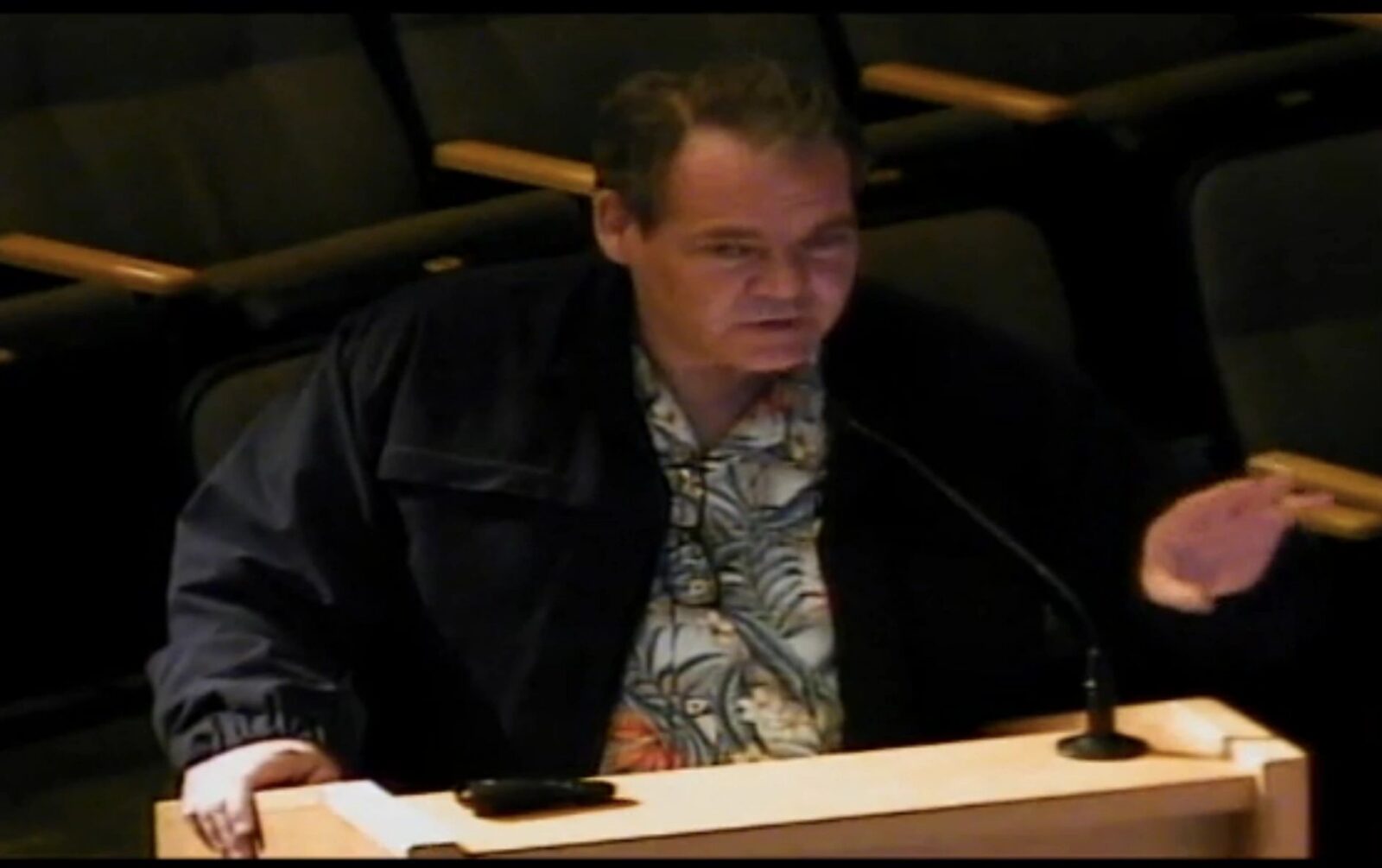
The link is here, and I begin speaking at the 6:11:55 mark. http://csg001-harm01.canadacentral.cloudapp.azure.com/00295/Harmony/en/PowerBrowser/PowerBrowserV2/20180206/-1/11493#agenda_
Investing in Our Future
Investing in our Future
As one who is concerned about the future of our world and the life we give our children, the question I ask myself is: What more can I do? I am crazy about recycling, I donate to Greenpeace, I voted Green, I strive to live with a lower carbon and lighter ecological footprint. So what else could I do, I wondered.
So rather than buy a new sports car, I invested in a company I discovered that manufactures building blocks that are produced from the waste byproduct of the hemp crop. It is called JustBioFiber.
As carbon reduction and sequesters models go, I am deeply suspicious of many. However, JustBiofiber traps 130 KG of carbon for every cubic meter they produce. Unlike concrete, it does not give off more carbon as it ages but continues to retain more and more over time. You can read more about it on their website: justbiofiber.ca
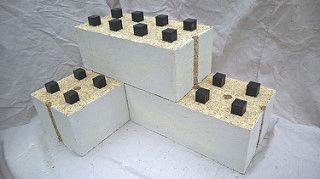
So why am I telling you this? I have picked my battles and made strategic choices when trying to make a choice of where to put my investments. It so hard to make a difference in this world but if enough of us decide to be the difference, changes will occur. It might not be this company that grabs your attention, but I encourage you to go out and find something to invest in.
This little company might just change the way we build our homes, offices, schools, and warehouses.
July 12, 2018 “Wildfire is the Greatest Threat”
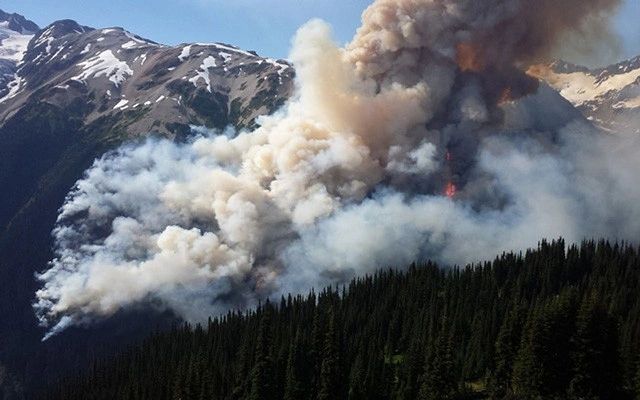
PHOTO COURTESY OF THE BC WILDFIRE SERVICE
Pique Newsletter – Letter to the Editor Link to Article
Wildfire is the greatest threat
Just as a sizable fire would affect the beauty we now enjoy, as business owners we must also consider the economic impact such an incident might have.
I came to Whistler as a newborn; my first home backed onto Whistler Mountain's Creekside, and our backyard was almost a clear cut.
Today, that area is overgrown with pine trees three to nine metres tall, all in such close proximity that their branches either touch or make contact with the ground. Any old-growth forest has trees two to three metres apart, not one metre like most young forests here. What is startling is that most neighbourhoods in Whistler back onto, or are surrounded by, similar dense-growth fire hazards—some within metres of valuable high-profile properties.
Consider the recent fire on Panorama Drive in Brio. The burning cabin, sitting on a steep grade with Whistler Mountain behind it, backed right onto one of these dense forests. It was contained by our fire department, but not without some help from Mother Nature as it was winter, with snow in the trees and on the wet forest floor. Still, a few trees behind the house ignited.
Now imagine if that same fire took place on a hot day in August instead of February. Flames would quickly climb the mountain behind it. Burning embers would be carried by the wind, and the trees, so close in proximity, would ignite not from contact but from the intensity of heat—all the firefighters and water bombers could in no way hold back nature's wrath in that case.
That is the fire I fear.
If Whistler were to have such a fire, word of our famous resort in flames would be "Breaking News."
Photos on social media would spread faster than the fire itself. And burning along with the reputation we fought so hard to build would be the tourist-industry income.
Considering the fires in B.C. and Alberta over the past few summers—and the massive dollar amount to contain them and then rebuild—we've been given ample warnings.
Doesn't making sure there is sufficient money for wildfire mitigation make fiscal sense?
A forest consultant from B.A. Blackwell & Associates was engaged by the Resort Municipality of Whistler (RMOW) and identified major areas of concern. The report included many recommendations and two options, both with 10-year goals in mind. The RMOW response was the least expensive option, $1 million a year plus grants, and treating only 25 per cent of the high-risk forest, leaving 75 per cent of high-risk forest areas as a constant threat to our community. It would take 40 years to achieve treatment of all high-risk areas, only to start all over again with new regrowth.
I am deeply disappointed with the response from all levels of government and our associated stakeholders.
There are times when mitigating a problem requires the appropriate amount of effort, otherwise "too little, too late" comes into effect.
If we burn, even partially, and it is world news, we will be spending millions to convince the world to come back to Whistler. Why don't we just spend some millions now and fix the problem?
If they think fire mitigation is expensive, try having a fire.
Lance Bright
Whistler
Sept. 3, 2018 – “Bus Route 21: Spring Creek”
To the RMOW Mayor and Council:
Re: Transit efficiency, Improved Fire and Wildfire mitigation. (Spring Creek – Bayshores)
The following letter will introduce an idea that will not only improve transit efficiency, Fire Department response, and wildfire mitigation, but will also give Bayshores its own bus service and achieve this goal with no increase in operating costs.
This premise will focus on Bus Route 21: Spring Creek. Looking at Figure 1 below, the blue path of the bus is shown going south on Hwy 99, into Spring Creek, proceeding to the north end of Spring Creek where it turns around only to double back on the same track it from which it came. This route is, of course, subject to any traffic of Hwy 99 during peak periods.
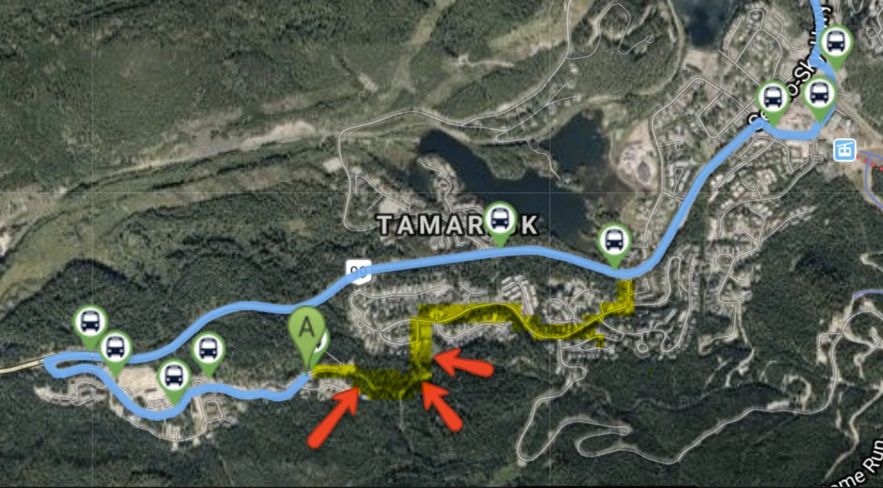
Figure 1
However, between the bus turnaround area at the north end of Spring Creek and the Millar’s Pond area of Bayshores, lies the Valley Trail, a distance of approximately 450 metres. This paved path is 10 feet wide and also acts as a service road to a water facility above Millar’s Pond. At present, the path can handle heavy vehicles, like plows, but can’t handle a Whistler transit bus nor any standard-sized fire trucks. If that trail was widened, it could easily become a one-way "bus and bike only access" restricted lane. To deal with traffic and commuter flow, it would be northbound in the morning and southbound in the afternoon.
The benefits to this proposal would be the following:
· Bayshores would now have bus service, as much as Spring Creek now enjoys.
· The elapsed time for Bus Route 21: Spring Creek would be vastly improved, especially during heavy traffic. This past Sunday afternoon, during moderate traffic, it took me seven minutes to travel from Spring Creek to Bayshores.
· The route distance would be shortened by 2 kilometres. With thirteen trips a day, that would be a 26 km reduction. That would be a saving of almost 9,490 km per year.
· A trail widened to handle a bus would also be able to handle any full-size fire apparatus, enhancing safety for both neighbourhoods and the response time for the Spring Creek fire hall. The volunteers could also use this route to quickly access the hall if needed.
· With a widened road, and a further clearing of trees and brush on either side of the path, the new clearing would now be an effective fire break. At present, the trail fails in this respect. Right now, a house fire in Millar's Pond could ignite the forests behind it, and there is nothing stopping it from climbing the mountain behind.
· At present, if there were some reason the road was closed between Alta Lake and Spring Creek—perhaps a serious accident involving a need for an RCMP accident investigation team—the valley would be closed off. This new lane would at least allow limited traffic, and bus service would remain effective! All that would be needed would be a few traffic control people at the north and south of the trail.
During peak traffic times, when Hwy 99 is bumper to bumper, the efficiency of this route would be so dramatic that this improvement would make it more desirable to ride the bus over driving your own car. At present, this is not the case. In order for transit to win, it must be better than driving on your own.
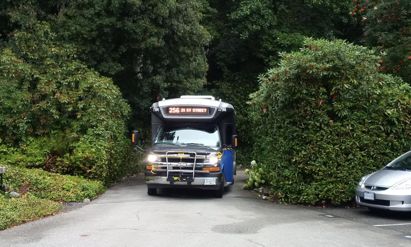
Figure 2
In Vancouver, Translink utilizes smaller community shuttle buses—24 instead of 53 passengers. (Figure 2) Rather than being 10-feet wide, these shuttle buses are only 7-feet wide, making it possible to use this current Valley Trail road with no improvements, and perhaps this would be a good option for transit to explore the effectiveness of this idea. Note: These smaller buses are also available in four-wheel drive.
Recently, council approved a plan to spend more on transit in order to make an express bus during peak hours; express buses still bring no comfort in gridlock, however. It may be prudent to have the new express bus use the same laneway as described herein, replacing the need for the Spring Creek buses during peak hours. It may even be possible that an express bus would not be required if the efficiency of every Route 21: Spring Creek bus was vastly improved during peak periods.
I stand open at anytime for questions regarding this proposal and happy to volunteer any time to this prospect.
Lance Bright
604-388-4545
Sept. 10, 2018 – “Bus Route 20: Cheakamus”
To the RMOW Mayor and Council:
Re: Transit efficiency, improved emergency response, pedestrian safety, and the Valley Trail system
This letter, with an emphasis on placing staff in the Cheakamus, introduces concepts to improve access via transit and the Valley Trail, which benefits all citizens south of Twin Lakes and improves safety and efficiency on Hwy 99.
This premise will focus on the lands recently acquired by the RMOW, the Prism lands on Alta Lake Road, the Bus Route 20: Cheakamus, and a logical expansion of the Valley Trail.
The Bus Route 20: Cheakamus (Figure 1), wastes time and money by doubling back over its own track, going north to the end of Function, only to turn around and head south back to the intersection before proceeding north on Highway 99. This is frustrating for passengers, enough to make them want to drive their own car.
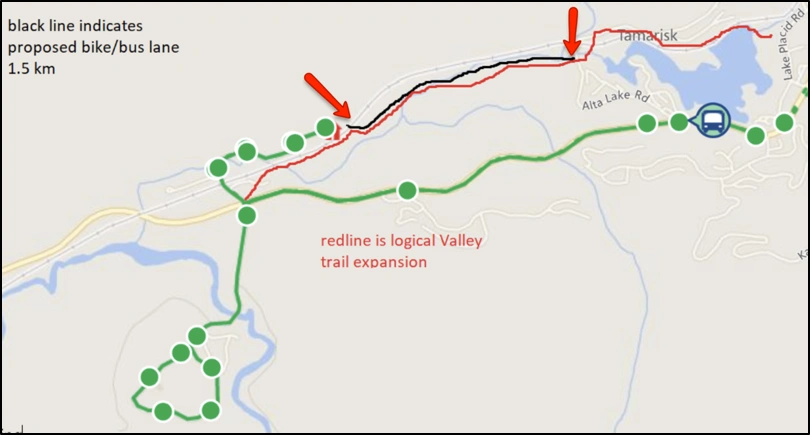
Between the red arrows in Figure 1, I propose a one-way "bus and bike lane" from the north end of Function, along the tracks, to what is now the RMOW-owned lands at the Prism site. The lane would be going north in the morning and south in the afternoon, to counter traffic flow.
If completed,
1. The bus route would be shortened by 1.5 km and with a timed performance increase of 3 minutes. With 44 scheduled stops per day, over a year that would be as savings of 24,090 km (without accounting for additional time lost in gridlock).
2. Tamarisk, Twin Lakes, and West Side employee housing residents would no longer endanger themselves by crossing Hwy 99 to catch a bus, and highway efficiency would increase by having fewer forced stops for pedestrians.
3. Fire, ambulance, and police would have improved response times with the lane open.
4. The route would not be subject to traffic on the hill—dramatically increasing the on-time performance and thus making car riding the less-desired option during heavy traffic.
5. If the road was closed on the hill north of Function, the valley would have an emergency entry and exit point.
As for the Valley Trail, this new bus lane would give a significant boost to what is now used as an "unofficial Valley Trail". Bikers currently follow the sewer line from the West Side Road between the two red arrows, and then onto the old logging road to the intersection of Hwy 99 /Cheakamus. For any pedal biker not wanting to use the highway, it’s perfect.
When I ride my bike from Creek Side to Function, I follow the sewer line along the railway tracks from Nigel's driveway, and along this proposed route. It provides a direct, yet rugged opportunity to stay off Highway 99. In the flat lands behind Function, the path follows an old forest service road. Improvement of this pathway, in conjunction with the bus lane, would make it preferred for most bikers over using the 99. With the advent of hybrid bikes, more and more commuters will use this mode of transit and without this route, the result will be more bikes on the 99.
This new portion of the Valley Trail and the new bus lane to Function must be a priority for transportation and lifestyle. As a former BC Ambulance attendant, I am very uncomfortable with unnecessary bike traffic on 99, especially when there is a viable solution to the problem.
As far as road building goes, the RMOW has completed far more complicated sections of road ways and Valley Trails.
I am open and willing to explain any aspect of this idea, answer any questions, and commit time and effort to see the prospect fully examined.
Lance Bright